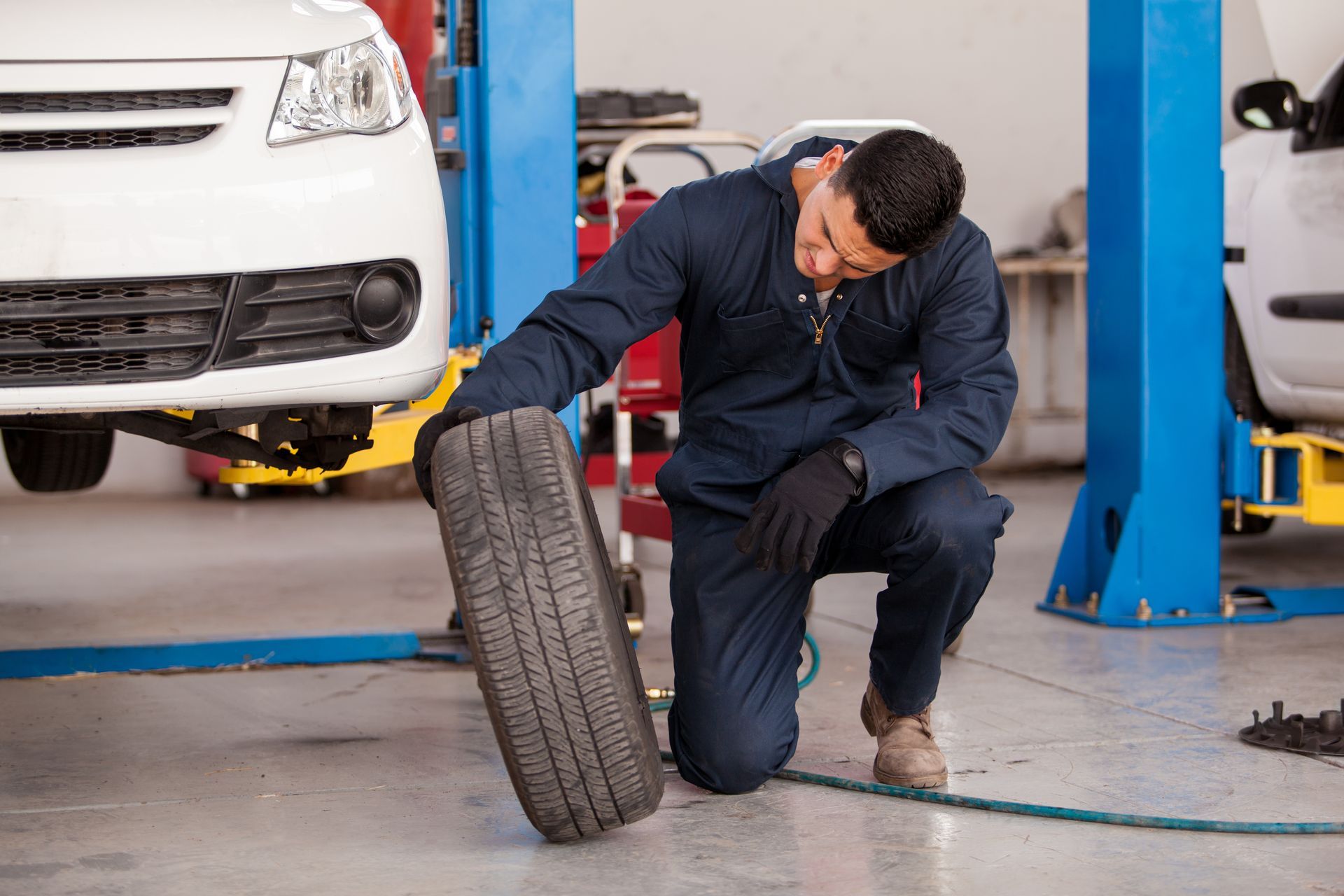
You walk up to the car, glance at the tires, and they still look “round and black,” so it feels like they must be fine. Then a rainy day hits, the car feels nervous on the highway, or it takes longer to stop than you remember. Tires wear out slowly, so it is easy to miss the point where they stop being “good enough” and start becoming a risk.
Knowing when to replace them and what to replace them with saves money and keeps every drive more relaxed.
How to Tell When Your Tires Are Worn Out
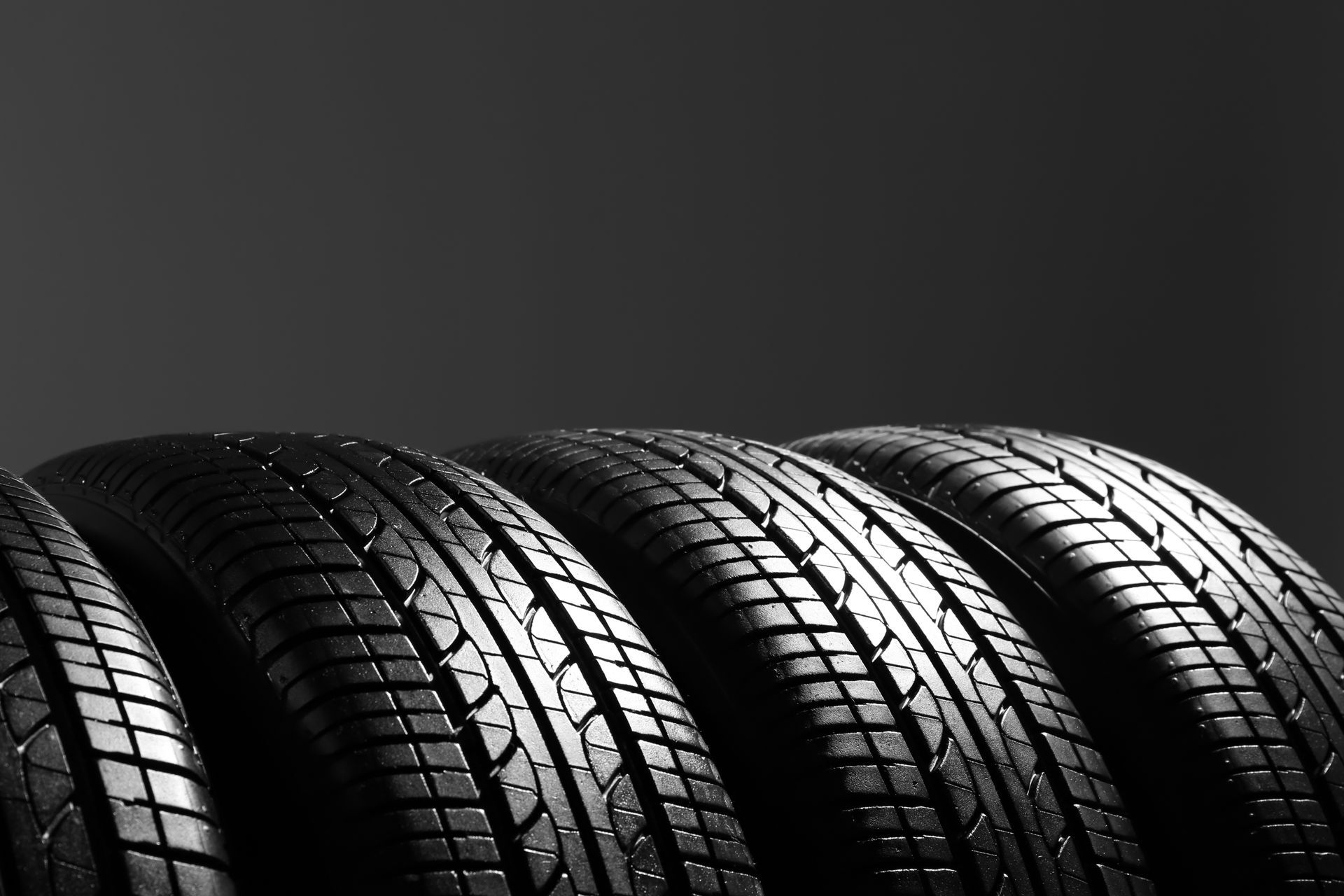
Tread depth is the first thing to look at. Once the grooves get shallow, the tire cannot move water out of the way, and traction drops fast in the rain. You do not need special tools to get a rough idea. The old penny trick still helps, and a simple tread gauge is even better.
Signs you are near or past the limit include:
- Tread worn close to the wear bars molded into the grooves
- Less than 4/32" of tread left if you drive in a lot of rain or slush
- The car is hydroplaning or losing grip easier than it used to
If braking distances feel longer in wet weather or the car spins its wheels pulling away from a light, the tires are telling you they are near the end, even if they are not completely bald.
Tread Wear Patterns That Point to Bigger Problems
How the tire is worn is just as important as how much is left. Even wear across the tread usually means the alignment and pressure have been reasonably close. When one area looks very different, something else is going on.
Inside or outside edge wear often points toward alignment issues. A tire that is worn smooth in the center but still has depth on the sides usually has been overinflated. Cupped or scalloped tread blocks can mean worn shocks or struts. When we look at a set of tires, our technicians read the wear patterns the way you might read a map, because they tell the story of how the car has been driving.
Age, Cracks, and Weather Damage on Otherwise “Good” Tires
Tires do not just age by mileage, they age by time and sun exposure. A tire with plenty of tread can still be past its prime if it is many years old. Rubber hardens and loses flexibility, which can reduce grip, especially in cold or wet conditions.
Look for small cracks in the sidewall, between tread blocks, or near the bead where the tire meets the rim. If the tires are six to ten years old, even with decent tread, it may be time to plan a replacement. We often check date codes on the sidewall for customers, because age is something most people do not track until we point it out.
How to Choose the Right Type of Tire for Your Driving
Once you know you need new tires, the next question is what kind. The “best” tire is not the most expensive one on the rack, it is the one that matches how and where you drive. A few of the common types include:
- All season tires, a good match for most daily drivers who see a bit of everything but no extreme winters.
- Touring or comfort tires, focused on a quiet ride and long life for commuters and highway miles.
- Performance tires, with sharper steering and better grip at the cost of some tread life and cold weather manners.
- All terrain or truck tires, built for drivers who mix pavement with gravel, dirt roads, or light off road use.
In Ohio, many drivers prefer a solid all season or touring tire, and some add dedicated winter tires if they spend a lot of time on snow and ice. When we help pick tires, we start with questions about your commute, typical speeds, and how the car is used the other 90 percent of the time, not just on perfect days.
What All Those Numbers on the Sidewall Really Mean
The markings on the tire sidewall can look like a secret code, but each part tells you something useful. The width, aspect ratio, and wheel diameter need to match what your vehicle is designed for. Changing sizes without a plan can affect handling, speedometer accuracy, and clearance.
Speed rating and load index matter too. Speed rating tells you the maximum sustained speed the tire is designed to handle. The load index tells you how much weight it can safely carry. Choosing a tire with too low of a rating can make the car feel vague or overloaded. We always recommend sticking with or improving on the factory ratings, because that is what the suspension and brakes were tuned around.
Simple Checks Before You Buy a New Set
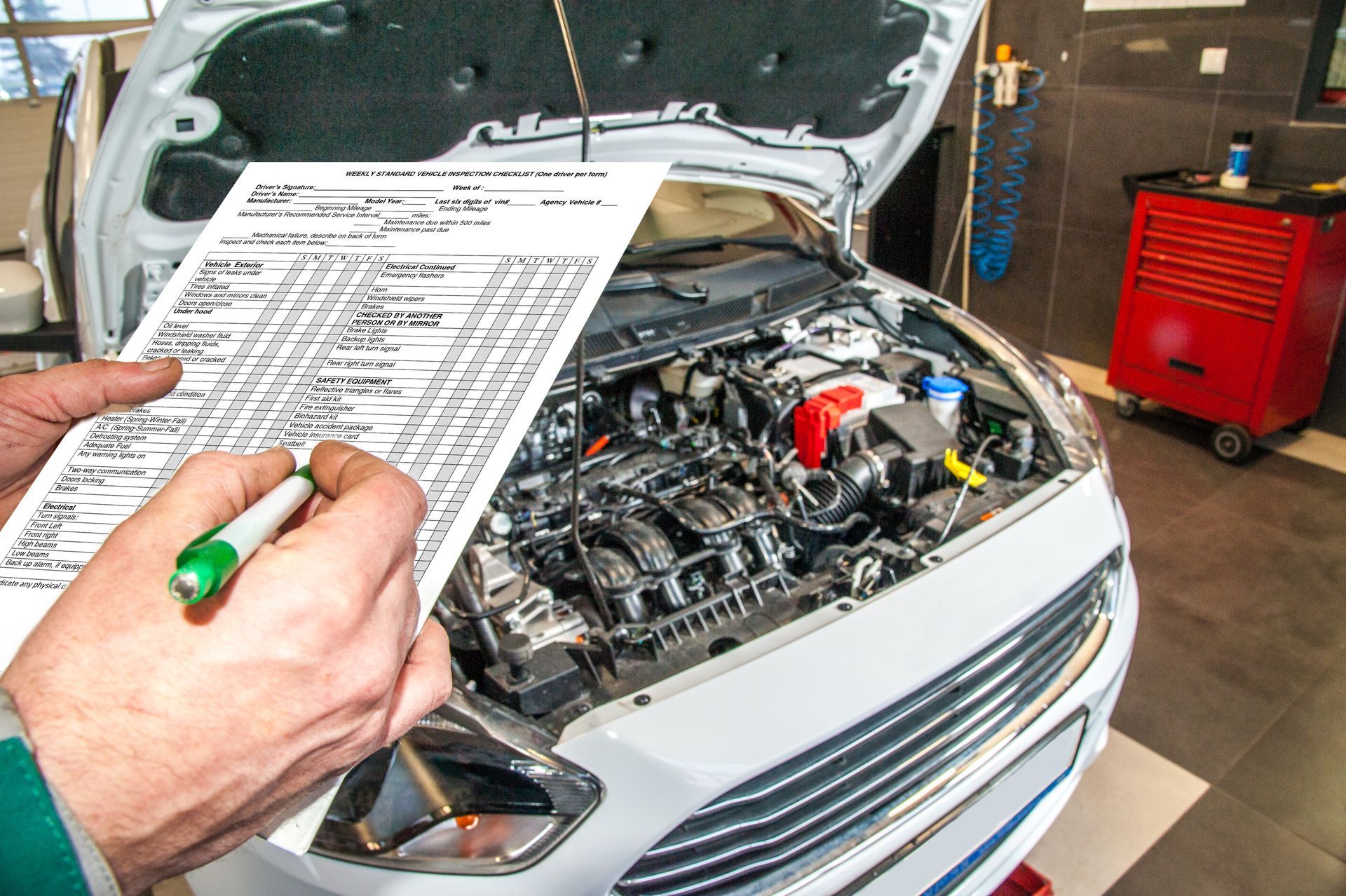
Before committing to a new set of tires, a couple of checks will help you get the most from that investment. It is a good idea to:
- Have the alignment checked so the new tires do not start wearing unevenly right away.
- Inspect suspension parts like ball joints, tie rods, and shocks for play that could damage fresh tread.
- Decide honestly how you drive, so the tire choice matches real life instead of just how you wish you drove.
When we install new tires, we like to start with a clean slate: proper alignment, good balance, and suspension that can hold everything steady. That is how you get the full mileage and performance the tire was built to deliver.
Get New Tires and Tire Advice in Ohio with Jamie's Tire & Service
If you are seeing worn tread, cracks, vibrations, or just are not sure how much life your tires have left, this is a great time to have them inspected. We can check tread depth, age, and wear patterns, then recommend tire options that fit your vehicle, your driving, and your budget.
Schedule tire inspection and replacement in Ohio with Jamie's Tire & Service, and we will help you choose the right set so every trip feels safer and more confident.
- Jamie's Tire & Service Beavercreek, 2276 Grange Hall Road, Beavercreek, OH
- Jamie's Express, 1276 Sterling Court, Fairborn, OH
- Jamie's Tire & Service Xenia, 213 West Main Street, Xenia, OH
- Jamie's Tire & Service Kettering, 3050 Woodman Drive, Kettering, OH
- Jamie's Tire & Service Fairborn, 31 South Broad Street, Fairborn, OH
- Jamie's Tire & Service Northtown, 4220 North Main Street, Dayton, OH
- Jamie's Tire & Service Northridge, 6104 North Dixie Drive, Dayton, OH