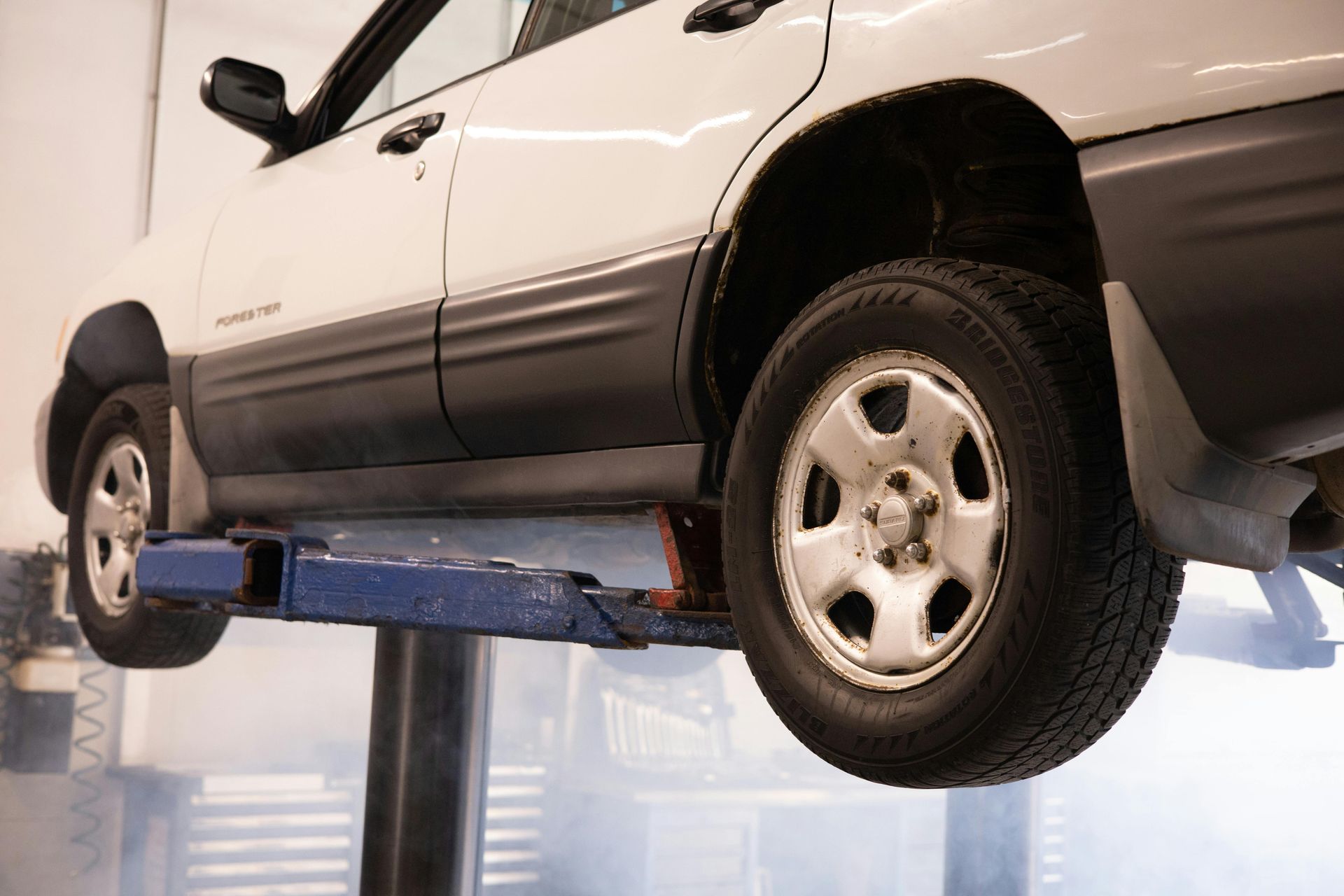
SUVs ask a lot from their tires and suspension, even when you are just doing normal errands. They carry more weight, sit higher, and often roll on bigger wheels and tires than a typical sedan. Add potholes, curb taps, speed bumps, and stop-and-go traffic, and those parts take repeated hits every week.
None of this means SUVs are poorly built. It just means the wear shows up sooner if maintenance slips or if the vehicle’s setup is a little out of spec.
A few smart habits can stretch tire life and keep the ride feeling steady.
Why SUVs Wear Faster Than You Expect
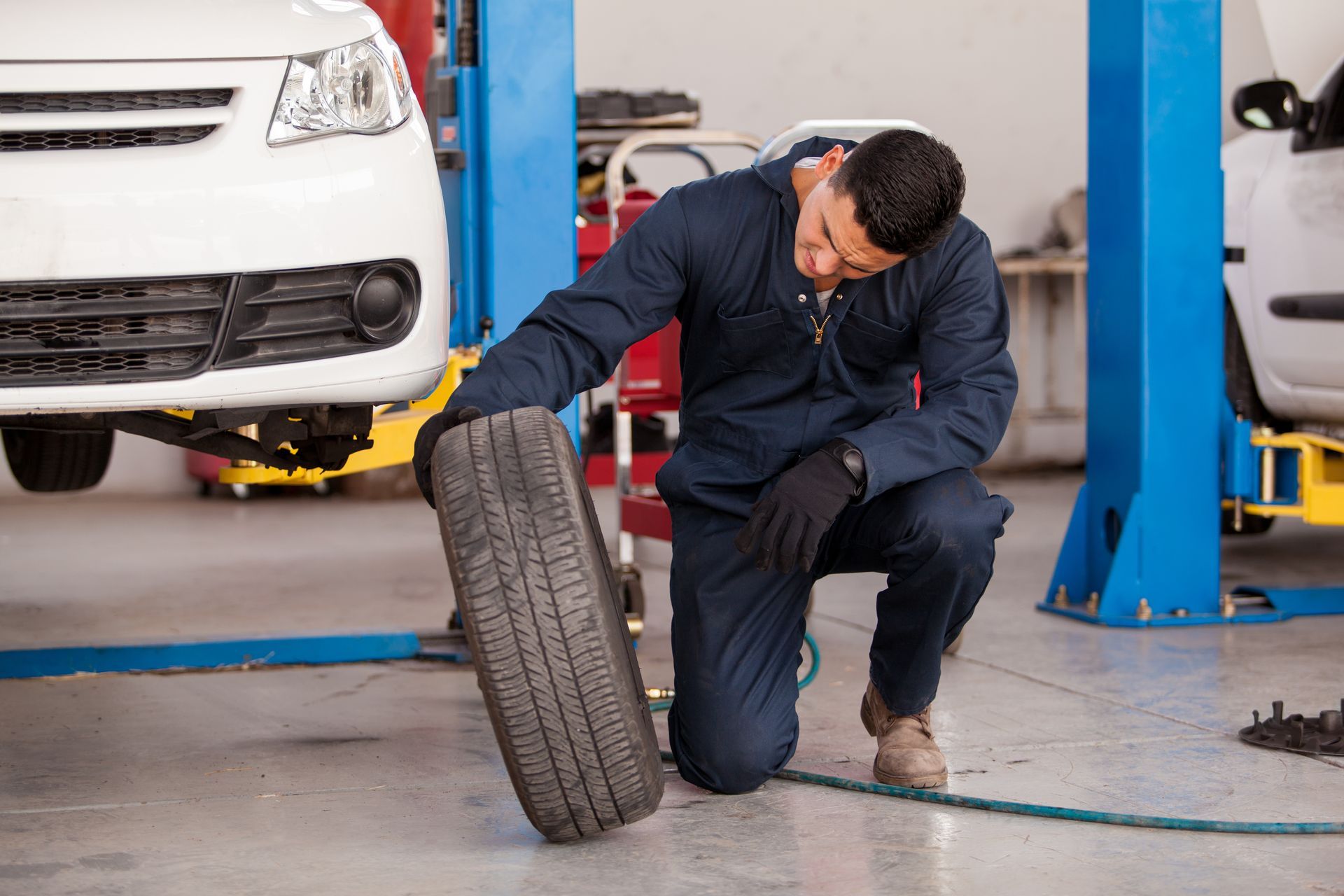
Most SUVs are heavier, and that extra mass increases heat and stress in tires, brakes, and suspension joints. Even small bumps transmit more force through bushings, ball joints, and wheel bearings, especially when the vehicle is loaded with passengers or cargo. If you tow, that load goes up again, and wear can accelerate.
At the same time, SUVs are often used in more varied conditions. They see gravel driveways, construction zones, winter potholes, and parking-lot curb contact more than many sedans. Those little impacts add up, and the tire wear patterns tend to show it first.
1. Extra Weight And Higher Loads On Tires And Bushings
Weight changes everything about wear. Tires deform more under load, which increases heat and can shorten tread life, especially if pressure is a bit low. Suspension bushings and joints also flex more, and over time, they can crack, soften, or develop play. That is when the SUV starts feeling less planted over bumps and turns.
You may notice it as an earlier than expected tire replacement, a mild pull, or a steering wheel that needs more small corrections. If the SUV feels a little vague at highway speed, that can be a sign the front end is no longer holding angles as tightly as it should. Catching it early often prevents the “new tires wore out fast” story.
2. Bigger Wheels And Low-Profile Tires Take Harder Hits
Many SUVs come with larger wheels, and that usually means less sidewall on the tire. A shorter sidewall has less cushion, so potholes and sharp bumps hit harder. That can lead to bent wheels, bubbles in the tire sidewall, or tires that start wearing oddly after one rough impact.
You might feel this as a vibration that appears at a certain speed, or a thump that shows up only on certain roads. Sometimes the SUV still drives fine, but the tire has been compromised and will wear unevenly from that point forward. It is also common for alignment to shift slightly after a hard hit, which can quietly eat the inner edge of a tire.
3. AWD Systems Are Less Forgiving With Tire Wear
A lot of SUVs have AWD, and AWD systems tend to prefer tires that match closely in size and tread depth. When one tire is significantly more worn than the others, the system can be forced to compensate in ways it was not designed to do all the time. That extra workload can shorten the life of drivetrain components and create noise or binding in tight turns.
This is why rotating tires on schedule matters more on an AWD SUV than many people realize. It keeps tread depth even across all four corners, which keeps the system happier. If you end up replacing just one tire, it is worth checking whether the remaining tires are close enough in tread depth to keep everything balanced.
4. Higher Center Of Gravity Works The Suspension Harder
SUVs sit higher, and that changes how forces move through the chassis. In turns, the body leans more, and suspension parts work harder to keep the tires planted. Over time, sway bar links, bushings, and shocks or struts can wear in a way that shows up as extra body roll, clunks over bumps, or a bouncy ride that takes longer to settle.
You may notice the SUV dipping more when braking or feeling top-heavy on highway ramps. That does not always mean something is dangerously wrong, but it can be a sign that damping and support are fading. When those parts get tired, tires often pay the price because the contact patch becomes less consistent over rough pavement.
5. Small Alignment Drift Shows Up Faster On SUVs
Alignment does not have to be wildly off to ruin tires. A small toe or camber drift can start shaving tread every mile, and on a heavier SUV, it tends to happen faster. It can start with a steering wheel that is just a little off-center, or a vehicle that drifts slightly on straight roads. Some drivers notice it only when the tires start getting louder.
Rotations matter here too, because they help you see patterns early. If one tire consistently shows inside-edge wear or cupping, that is useful information. Fixing the underlying cause, whether it is alignment, a worn part, or a tire issue, usually costs less than replacing tires early again and again.
Get Suspension And Tire Service in Ohio with Jamie's Tire & Service
We can inspect your tires and suspension for the wear patterns that commonly shorten SUV tire life, then help you prioritize what will make the biggest difference. We’ll also lay out a practical plan for rotations, alignment checks, and any needed repairs, so you are not replacing tires sooner than you should.
Call or schedule a visit at one of our Ohio locations:
- Jamie's Tire & Service Beavercreek, 2276 Grange Hall Road, Beavercreek
- Jamie's Express, 1276 Sterling Court, Fairborn
- Jamie's Tire & Service Xenia, 213 West Main Street, Xenia, OH 45385
- Jamie's Tire & Service Kettering, 3050 Woodman Drive, Kettering, OH
- Jamie's Tire & Service Fairborn, 31 South Broad Street, Fairborn, OH
- Jamie's Tire & Service Northtown, 4220 North Main Street, Dayton, OH
- Jamie's Tire & Service Northridge, 6104 North Dixie Drive, Dayton, OH