Brake problems do not always announce themselves with grinding metal or a big warning light. More often than not, the car just stops feeling right. The pedal changes, the car takes longer to settle into a stop, or the whole thing feels less controlled than it used to.
That change in feel is usually the first sign the brake system needs attention.
Why Brake Problems Are Not Always Obvious Right Away
A lot of drivers expect bad brakes to be loud, dramatic, and impossible to miss. Sometimes that happens. A lot of the time, the warning is subtler than that. The car still stops, so it is easy to assume everything is fine, even though the system is already wearing past the point where it should be.
That is what makes brake issues easy to delay. The car remains usable, but the braking becomes less consistent, less smooth, and less confidence-inspiring. By the time the problem feels serious, the repair is often larger than it needed to be.
Changes In Pedal Feel Usually Come First
One of the first things drivers notice is that the pedal no longer feels the same. It may feel softer, lower, firmer, or less responsive than it used to. Even if the car still comes to a stop, a change in pedal feel usually means something in the braking system is starting to wear, move, or lose hydraulic consistency.
This is where people get tripped up. They adapt to the change little by little, so it starts to feel normal. It is not normal. A healthy brake pedal should feel predictable every time you use it. If that consistency is gone, the system deserves an inspection before the problem spreads.
Noise, Pulling, And Vibration Should Not Be Ignored
Brake noise is one of the clearer warning signs, but even that gets brushed off more than it should. Squealing often points to pad wear or vibration in the hardware. Grinding usually means the wear has gone much farther. A pull to one side can mean one brake is grabbing harder than the other, or that a caliper is no longer moving the way it should.
Vibration under braking is another sign worth taking seriously. If the steering wheel shakes or the pedal pulses when you slow down, the brake system is not applying force evenly. That usually points to rotor surface problems, uneven wear, or parts that are no longer moving smoothly.
What Drivers Usually Notice When Brakes Are Falling Off
A few symptoms tend to show up before the brake system gets bad enough to force the issue:
- The pedal feels softer or lower than it used to
- The car takes longer to stop than it should
- You hear squealing, scraping, or grinding
- The vehicle pulls or feels uneven during braking
- The steering wheel or pedal vibrates when slowing down
One of those signs is enough to warrant attention. More than one usually means the problem has already moved beyond early wear.
Stopping Distance Tells You A Lot
Drivers often judge brakes by whether the car stops at all, but that is not the right standard. The real question is whether it stops as quickly, smoothly, and confidently as it should. If you need more room than before, if the brakes feel grabby, or if the vehicle feels less settled in traffic, the braking system is already telling you it is not performing at its best.
This gets more important in bad weather and highway driving. A brake system that feels only slightly off in a parking lot can feel much worse when the road is wet or when traffic slows suddenly at speed. That is why waiting rarely works in your favor.
Why Delaying Brake Service Usually Costs More
Brake wear tends to spread. Pads wear into rotors, weak hardware creates uneven contact, and heat builds faster once parts stop working together cleanly. What could have been a pad service can turn into pads, rotors, and caliper work if it sits too long.
That is why regular maintenance helps so much with brakes. It catches wear while the system is still wearing evenly and before the car starts feeling rough or unsafe. The earlier the issue is found, the easier it usually is to keep the repair focused.
How To Know It's Time To Have Them Checked
If your brakes feel different, sound different, or require more effort than they used to, that is enough reason to have them checked. You do not need to wait for grinding, a warning light, or a close call in traffic. Brake systems usually give smaller clues first, and those clues are worth listening to.
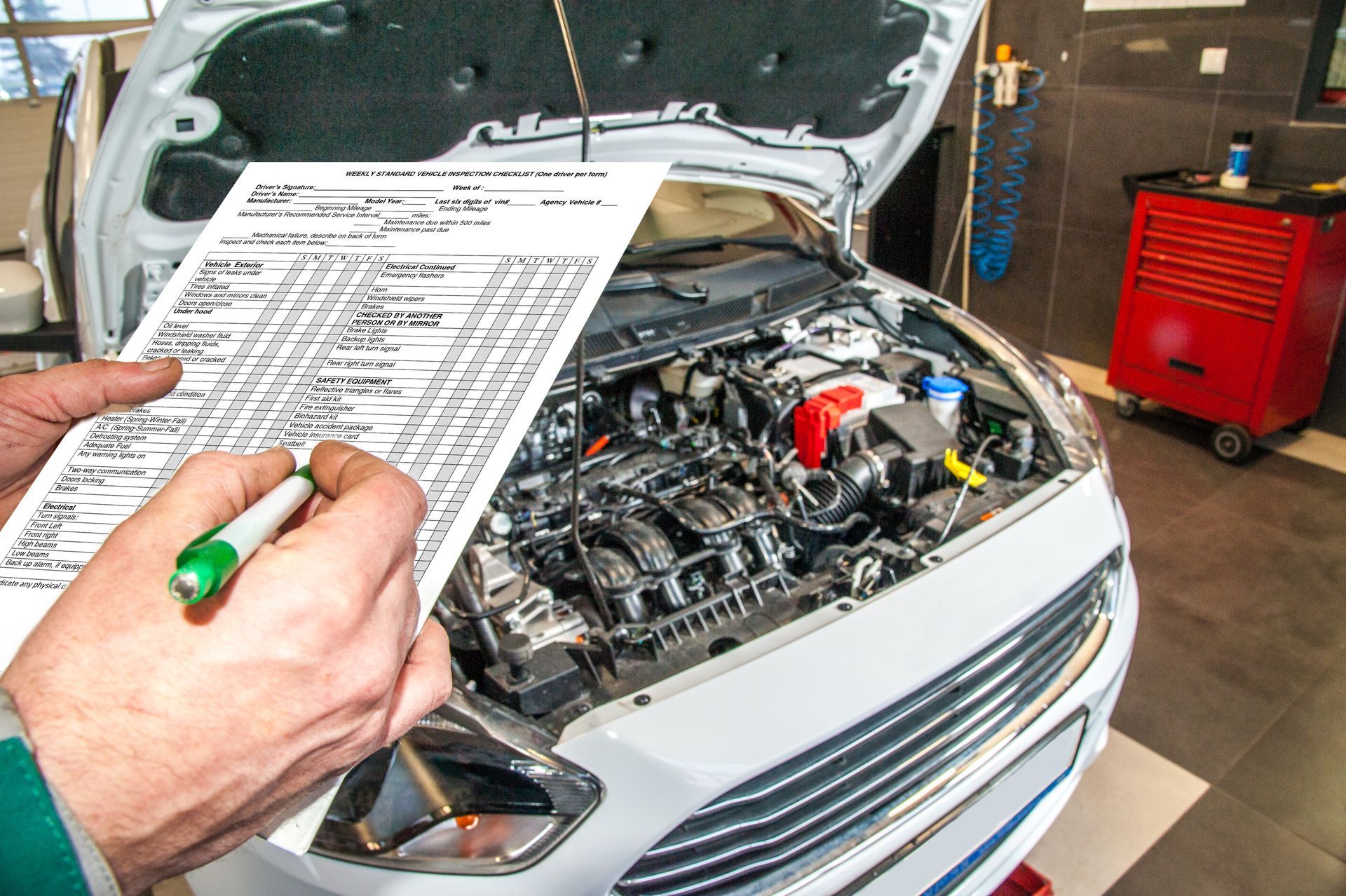
A good brake check should look at the pads, rotors, calipers, hardware, fluid condition, and the way the system feels on the road. That is how you find out whether the issue is early wear or something that is already affecting the whole stop.
Get Brake Service In Ohio, With Jamie's Tire & Service
If your brakes are not feeling as good, smooth, or predictable as they should, Jamie's Tire & Service, with seven locations in Ohio, can check the system, find the cause, and help you get back to safe, confident stopping.
Bring it in before a small brake problem turns into a much more expensive one.
- Jamie's Tire & Service Beavercreek, 2276 Grange Hall Road, Beavercreek
- Jamie's Express, 1276 Sterling Court, Fairborn
- Jamie's Tire & Service Xenia, 213 West Main Street, Xenia, OH 45385
- Jamie's Tire & Service Kettering, 3050 Woodman Drive, Kettering, OH
- Jamie's Tire & Service Fairborn, 31 South Broad Street, Fairborn, OH
- Jamie's Tire & Service Northtown, 4220 North Main Street, Dayton, OH
- Jamie's Tire & Service Northridge, 6104 North Dixie Drive, Dayton, OH