Oil leaks have a way of starting small and getting ignored until the smell shows up or the oil level drops faster than it should. Some leaks drip onto the driveway, but plenty of them get spread around by airflow while you drive, so the underside ends up coated, and the source feels impossible to find. The good news is that most oil leaks come from a predictable set of places, and the leak pattern usually points to where to look.
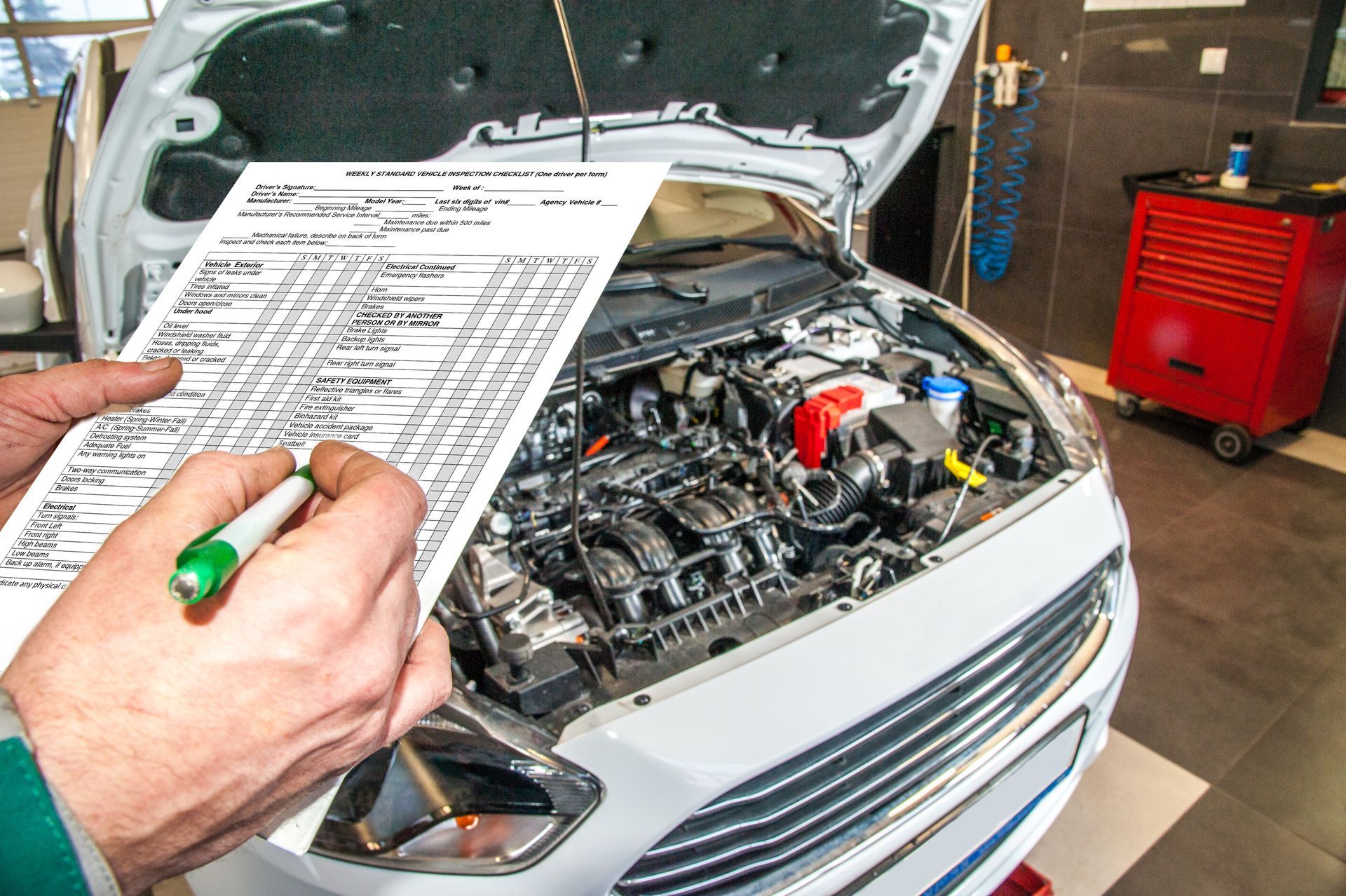
A quick inspection can often tell whether you are dealing with a slow seep or something that needs attention right away. Keeping up with regular maintenance also helps, because catching a damp gasket early is a lot easier than tracking a leak after it has been coating everything for months.
1. Valve Cover Gasket Seepage
Valve cover gaskets are a very common leak point because they sit high on the engine and deal with constant heat cycling. When they seep, oil often runs down the side of the engine and collects in lower areas, which makes it look like the leak is coming from somewhere else. Look for wetness along the top edge of the engine, or oil pooling in the spark plug wells on some engines. If you smell burning oil after parking, it can be oil dripping onto hot exhaust parts below the valve cover area.
2. Oil Filter Housing Or Adapter Leaks
Many engines use an oil filter housing or adapter that seals against the engine with a gasket or O-ring. When that seal hardens, it can leak under pressure and spread oil across the front or side of the engine. A clue is fresh oil around the filter area, even shortly after a change, or oil that collects on the belly pan if the vehicle has one. If the leak is here, it often looks messy fast because oil gets pushed outward while driving.
3. Pan Gasket Or Drain Plug Problems
Oil pan leaks tend to show up as drips near the bottom of the engine, but the source can be the pan gasket or the drain plug area. A worn gasket usually creates a damp pan rail and slow drips that build over time. A drain plug issue may show up right after an oil change, especially if the washer is missing, the plug is not sealing, or the threads are damaged. If the leak is centered at the plug area, it is often more localized than a pan gasket seep.
4. Front Crankshaft Seal Leaks
The front crank seal sits behind the crank pulley, and when it leaks, oil can sling outward in a circular pattern. This often leaves oil on the front of the engine, the belt area, and nearby components. You may notice belt squeal, a damp lower timing cover area, or oil mist on the inside of the hood on some vehicles. If oil reaches the serpentine belt, it can shorten belt life and cause slipping issues.
5. Main Seal Leaks
Rear main seal leaks can be tricky because the oil tends to drip from the lowest point of the transmission bellhousing area. That can make people assume the transmission is leaking when the engine oil is actually the culprit. If you see oil collecting where the engine meets the transmission, the rear main seal is one possibility, but it is not the only one. Leaks higher up can run down and exit at the same spot, so confirming the source matters before any major repair decisions.
6. Timing Cover And Sealant Seepage
Some engines use a timing cover gasket, and others rely on sealant at the cover seams. Either way, those seams can start to seep with age and heat. The leak often appears at the front corners of the engine or along the cover edge, then travels downward and backward as you drive. If you see oil tracing along a seam line rather than a single point, a timing cover seep is worth considering. This type of leak can look dramatic even when it is losing oil slowly.
7. PCV Issues And Excess Crankcase Pressure
Sometimes the engine is not leaking because a gasket failed first. It is leaking because the crankcase pressure is too high, and it is pushing oil past seals that were barely holding. A stuck or restricted PCV system can create that pressure, especially on higher-mileage engines. If you notice multiple new seepage points at once or oil weeping from seals that were previously dry, crankcase pressure becomes a strong suspect. Fixing the ventilation problem can reduce repeat leaks after repairs.
Get Engine Oil Leak Repair In Ohio With Jamie's Tire & Service
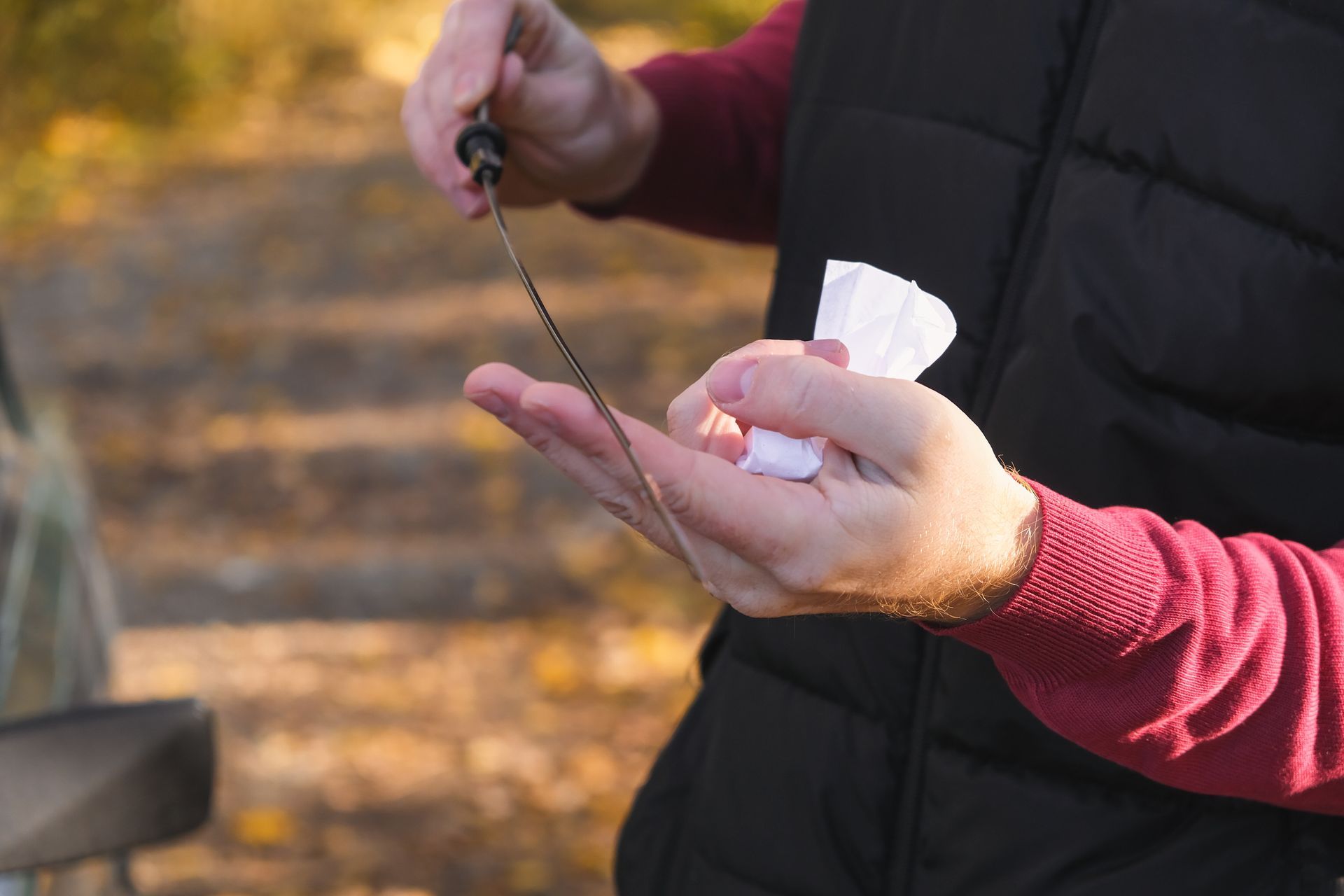
If you’re seeing oil spots, smelling burning oil, or noticing the dipstick dropping between changes, the next step is booking service so the leak is repaired correctly before it turns into a bigger mess and wear.
Schedule service with Jamie’s Tire & Service in Ohio, when you want the leak fixed at the source and the engine protected for the miles ahead.
- Jamie's Tire & Service Beavercreek, 2276 Grange Hall Road, Beavercreek
- Jamie's Express, 1276 Sterling Court, Fairborn
- Jamie's Tire & Service Xenia, 213 West Main Street, Xenia, OH 45385
- Jamie's Tire & Service Kettering, 3050 Woodman Drive, Kettering, OH
- Jamie's Tire & Service Fairborn, 31 South Broad Street, Fairborn, OH
- Jamie's Tire & Service Northtown, 4220 North Main Street, Dayton, OH
- Jamie's Tire & Service Northridge, 6104 North Dixie Drive, Dayton, OH