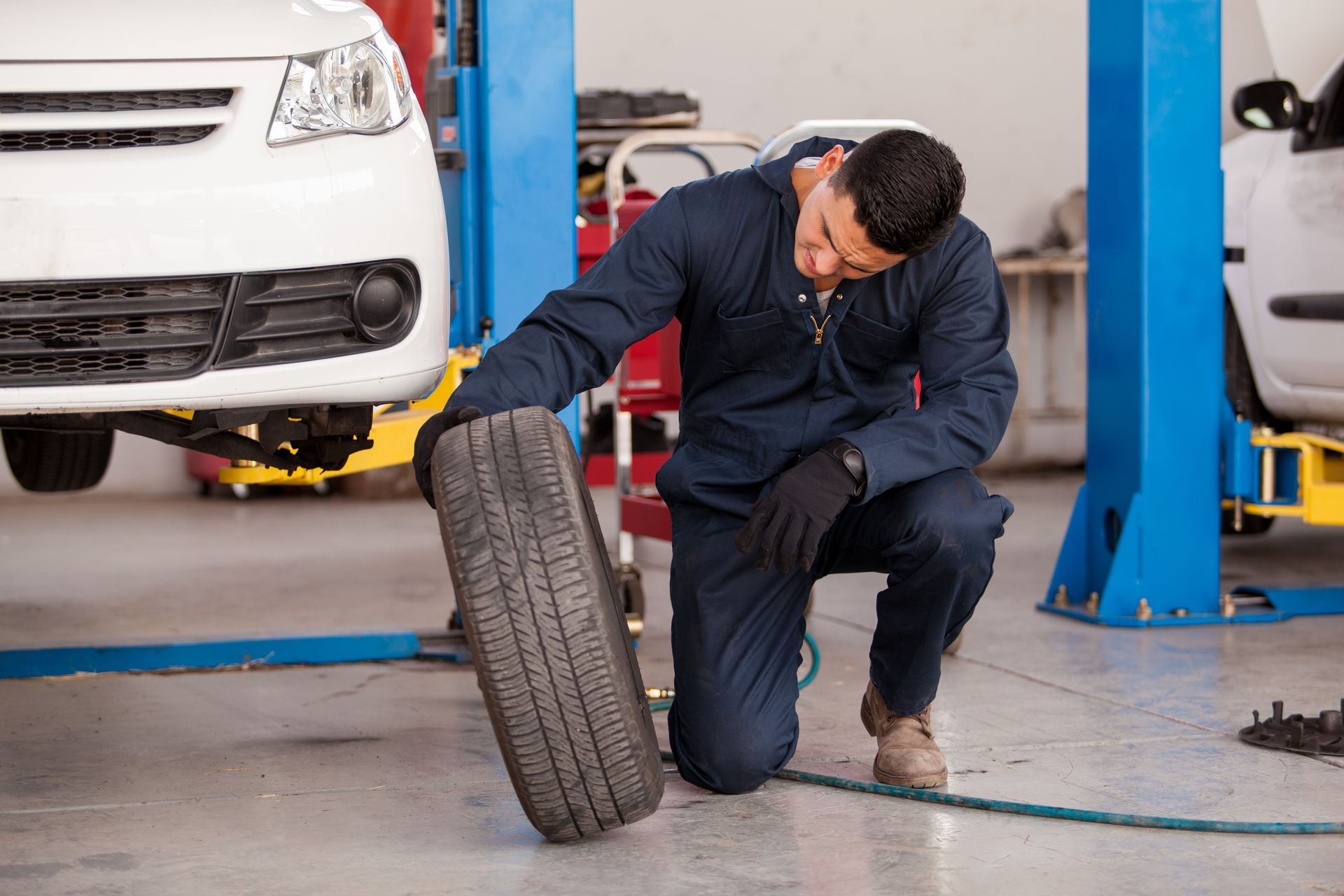
Your tires still have plenty of tread when you buy them, but a few months later the inner edges look nearly bald. You haven't driven unusually far, so where did the rubber go? A small alignment error is one possible cause. The effects build gradually with every mile, which is why a car can feel almost normal while tire life becomes much shorter than expected.
Small Toe Errors Create Constant Tire Scrub
Toe describes the direction each wheel points relative to the vehicle's centerline when viewed from above. Ideally, the wheels follow the manufacturer-specified relationship as the car travels. If a wheel points too far inward or outward, the tread may scrub sideways across the pavement even while you're driving straight. That friction accumulates during every commute, long before you notice a major steering problem.
The degree of wear depends on tire construction, road surfaces, load, driving habits, and the size of the error. Nobody can honestly promise that a particular toe reading will cost exactly 5,000 miles of tread life. But persistent misalignment can remove enough rubber to shorten a tire's service life substantially. A professional inspection measures the actual angles and looks for the wear pattern that fits them.
Camber Changes Which Tread Area Carries the Load
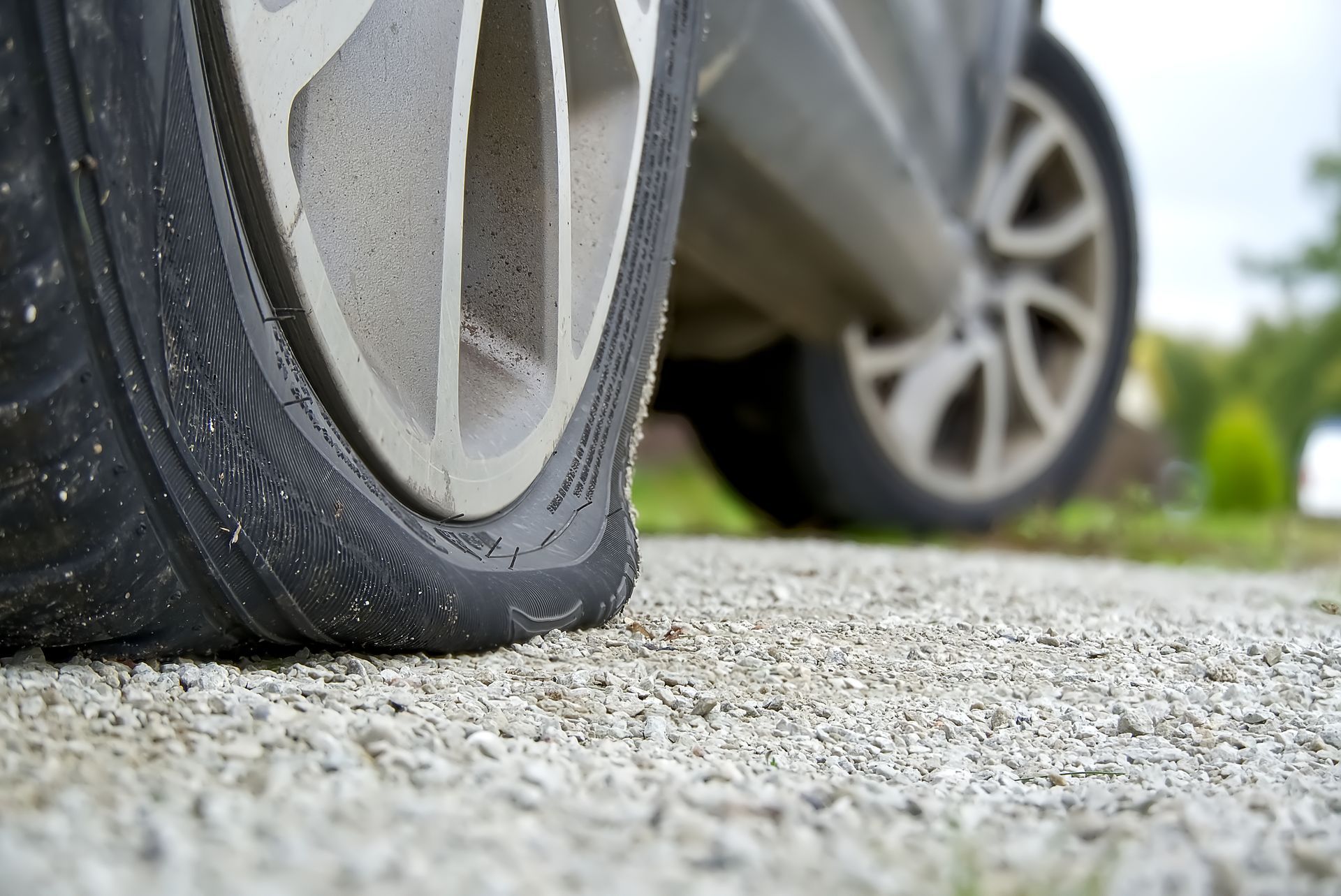
Camber describes the inward or outward tilt of a wheel when viewed from the front. Many vehicles use some negative camber as part of their intended handling geometry. Excessive tilt or a setting outside the specified range may concentrate wear along an inner or outer shoulder. That pattern sometimes develops without a noticeable pull because the other wheel's forces partially balance it.
A damaged control arm, worn bushing, bent suspension component, or altered ride height can change camber. On some vehicles, certain angles aren't directly adjustable without correcting worn or bent parts. We look at suspension condition before changing settings. An alignment reading is valuable, but it must be interpreted with the vehicle's design and tire wear. Moving an adjustment to hide a failed bushing won't keep the settings stable as you drive.
Steering Feel Doesn't Always Reveal the Problem
Drivers often book an alignment after noticing a pull, a crooked steering wheel, or wandering at highway speed. Those are reasons to investigate, but not every alignment problem announces itself. A vehicle may track straight while both front tires scrub their inner shoulders. Road crown, tire construction, unequal pressure, and brake drag can also create pulling symptoms that aren't caused by alignment angles alone.
Has the steering felt different since a pothole impact or curb strike? That history helps direct inspection toward damaged wheels, steering links, or suspension parts. We check tire pressure and wear alongside measured geometry. Correcting tire inflation or a dragging brake may resolve a symptom without an alignment adjustment. A stable steering wheel is encouraging, yet tread condition gives another view of what the tires experience on the road.
Tire Rotation Can't Repair an Alignment Error
Tire rotation moves tires to different positions to help distribute ordinary wear where the vehicle allows it. It cannot prevent a misaligned wheel from scrubbing the tread at its new location. Rotating a tire with severe shoulder wear may move the symptom out of sight without restoring lost rubber. The correct sequence is to inspect the tire, identify the cause, correct the mechanical or geometry issue, and then decide how to manage the remaining tread.
Uneven wear also comes from incorrect inflation, worn dampers, overloaded operation, and other mechanical conditions. An alignment isn't a cure for every scalloped or feathered tread pattern. We distinguish those possibilities through inspection and measurements. Maintenance records showing tire installation, rotation, and previous alignment work help establish when the wear began. The final recommendation should explain both the tire condition and the reason for any adjustment.
When to Schedule an Alignment Inspection
A new set of tires is a good opportunity to confirm that the suspension and steering will support even wear, especially if the old set wore unevenly. A hard impact, steering repair, or sudden change in handling also justifies a check. You don't need to wait for a dashboard warning, since most alignment problems never trigger one. The earlier abnormal wear is identified, the more tread you may preserve.
Tell us if you've noticed:
- One shoulder wearing faster than the other
- A crooked wheel while traveling straight
- Pulling that began after a pothole strike
- Unusual feathering across tread blocks
- New tire wear shortly after suspension work
Avoid assuming every visible pattern is unsafe or caused by alignment alone. Some slight tread textures are normal on particular tires. Severe wear, exposed cords, or handling instability needs prompt evaluation, and tires with unsafe damage require replacement before normal driving resumes.
A Good Alignment Starts With Sound Suspension Parts
Accurate wheel alignment depends on the tires, steering links, bearings, bushings, and ride height being in acceptable condition. Loose parts can move under load and make a static reading unreliable. We look for those issues before setting the angles the vehicle allows us to adjust. Afterward, steering position and road behavior need verification. The measurement record helps explain what changed and any nonadjustable angle that remains out of specification.
Thousands of miles of potential tire life are worth protecting, but no two vehicles wear tread identically. Regular pressure checks, rotation when permitted, and inspection of developing edge wear give you a better chance to catch problems early. For drivers using any of the seven Ohio shop locations, the best maintenance plan begins with measured findings and the vehicle's actual tire history, not a promise based on a generic alignment number.
Get Wheel Alignment and Tire Wear Inspection in Ohio With Jamie's Tire & Service
Jamie's Tire & Service serves drivers at seven locations in Ohio and helps review uneven tire wear, alignment concerns, and related suspension findings. We explain the inspection results and which repairs are supported by testing.
Call
Jamie's Tire & Service or schedule an appointment online.