How to Pick the best oil for your next oil change at Jamie's Tire & Service
What Type of Oil Does My Car Need?
Understanding the different types of oil changes available at Jamie's Tire & Service in Dayton, Ohio
When it comes to maintaining your vehicle, choosing the right oil is important. There are many different engine oil options to choose from, and every vehicle has its own requirements that need to be met to keep the engine running like it should. Today, we’ll look at the different grades of oil, what the numbers in the oil viscosity label mean, and how often the oil and filter should be changed on your vehicle. After reading this article, you will be able to determine what type of oil is best for your vehicle, and better understand how to take care of your engine.
Grades of Motor Oil
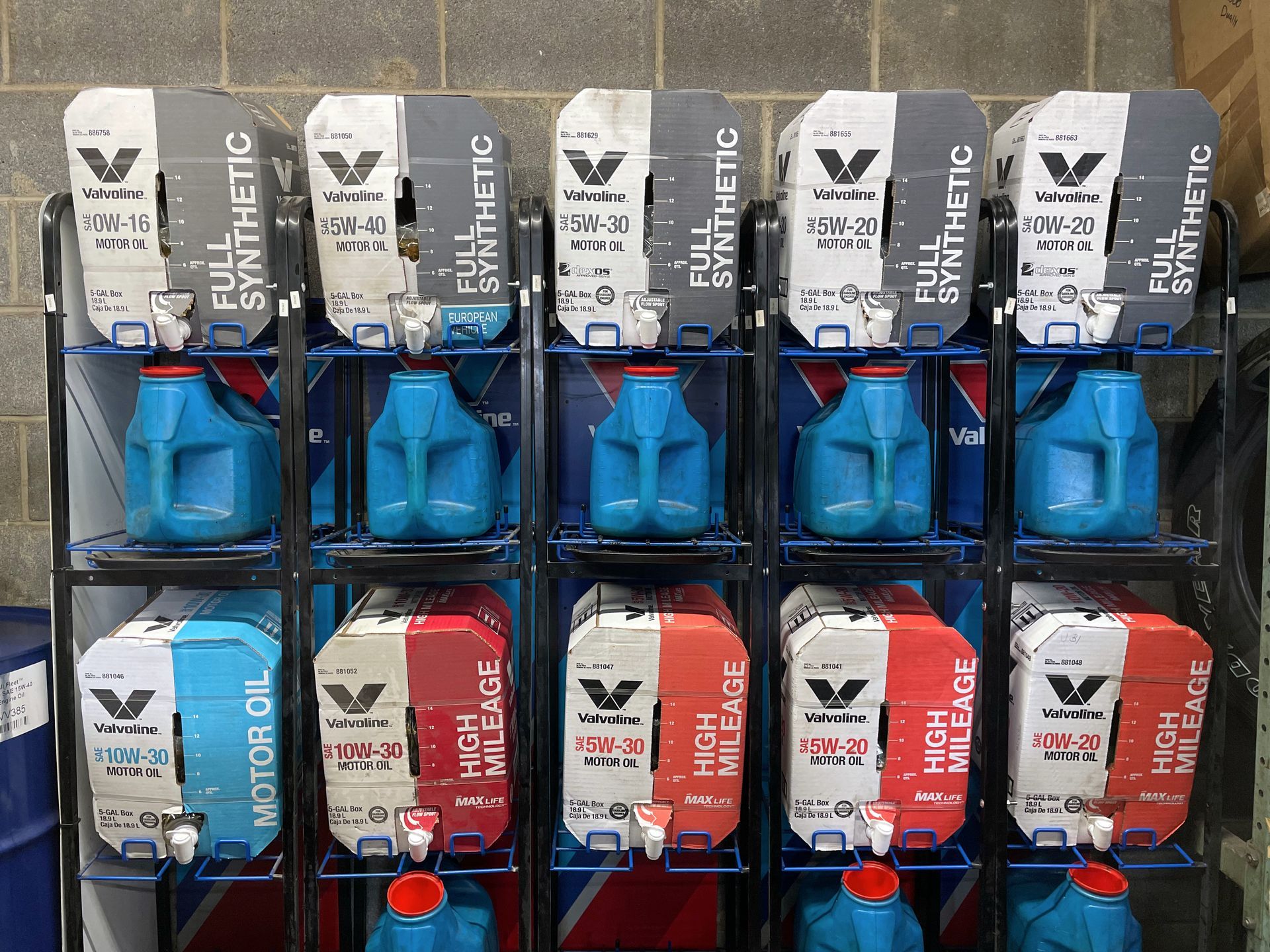
Conventional Oil
Conventional oil is the most basic type of motor oil. It's derived from crude oil and provides essential lubrication for your engine. Conventional oil was the most common grade of oil used until the advent of synthetic oils in the 90s. Many engines and cars still use conventional oil today, and when changed at the correct intervals, conventional motor oil will provide the lubrication your engine needs to run smoothly.
Synthetic-Blend Oil
Synthetic-blend oil is a mix of conventional oil and synthetic oil. This combination offers improved performance and protection compared to conventional oil, while still being more affordable than full-synthetic options. Synthetic-blend oils are a good middle-ground choice, providing better resistance to oxidation and temperature extremes. Synthetic blend oils are a great option for higher-mileage vehicles that can use additional protection against wear and carbon deposit buildup.
Full-Synthetic Oil
Full-synthetic oil is engineered for superior performance and protection. Made from high-quality chemical compounds, full-synthetic oil provides excellent lubrication, reduces engine wear, and improves fuel efficiency. It performs exceptionally well in both high and low temperatures, making it perfect for modern engines and high-performance vehicles. Although it's the most expensive option, full-synthetic oil often allows for longer intervals between oil changes, offsetting some of the higher initial costs.
What do Oil Weight Numbers Mean?
Understanding Oil Weight Numbers
When choosing motor oil, you'll notice numbers like 0W-20 or 5W-30 on the label. These numbers indicate the oil's viscosity, or thickness, and its ability to flow at different temperatures. The first number, followed by a "W" (which stands for winter), represents the oil's viscosity at cold temperatures. A lower number means the oil flows more easily in cold weather. The second number indicates the oil's viscosity at normal engine operating temperatures. For example, 5W-30 oil flows well in cold conditions and maintains proper thickness at high temperatures, providing balanced performance year-round.
Which Oil Weight Does Your Car Need?
The oil weight your car needs is determined by the engine manufacturer. Many vehicles have the correct oil viscosity listed on the oil fil cap in the engine bay. You can also find the correct type of oil in your vehicle owner’s manual or by checking online to find what the manufacturer recommends. Using the correct oil weight is important—if you put incorrect oil in your car, you run the risk of damaging the internal parts of the engine. If you’re unsure what oil weight your car needs, our team at Jamie’s Tire & Service has access to databases that tell us what oil each car needs and we will help make sure you get the proper fluids in your vehicle to keep it running.
How Often to Change Your Oil and Filter?
Regular oil changes are critical to keeping your engine running smoothly. Conventional oil needed to be changed every 3,000 miles, but modern synthetic oils can go between 5,000 and 7,500 miles between changes. Some manufacturers even allow for 10,000 miles between oil changes. Always check your owner’s manual and oil life reminder system for the best interval for your oil changes. Keeping the oil and filter clean will help provide better lubrication, reduce deposits building up inside the engine, and help keep the internal engine parts working like they should.
Conclusion
Choosing the right oil for your vehicle is important, but don’t let uncertainty keep you from learning how to better maintain your vehicle! At Jamie’s Tire & Service, we are here to take the headache out of auto maintenance. Whether you have a question about the oil in your car or just need to schedule an oil change, we are here to help you keep your vehicle on the road and running like it should. Give any of our 7 stores in Fairborn, Beavercreek, Xenia, or Dayton a call today to talk with the pros at Jamie’s Tire. Looking for some extra savings on your next oil change? Check out our Specials page for current discounts on oil change service near you!
Call or schedule a visit at one of our Ohio locations:
- Jamie's Tire & Service Beavercreek, 2276 Grange Hall Road, Beavercreek
- Jamie's Express, 1276 Sterling Court, Fairborn
- Jamie's Tire & Service Xenia, 213 West Main Street, Xenia, OH 45385
- Jamie's Tire & Service Kettering, 3050 Woodman Drive, Kettering, OH
- Jamie's Tire & Service Fairborn, 31 South Broad Street, Fairborn, OH
- Jamie's Tire & Service Northtown, 4220 North Main Street, Dayton, OH
- Jamie's Tire & Service Northridge, 6104 North Dixie Drive, Dayton, OH